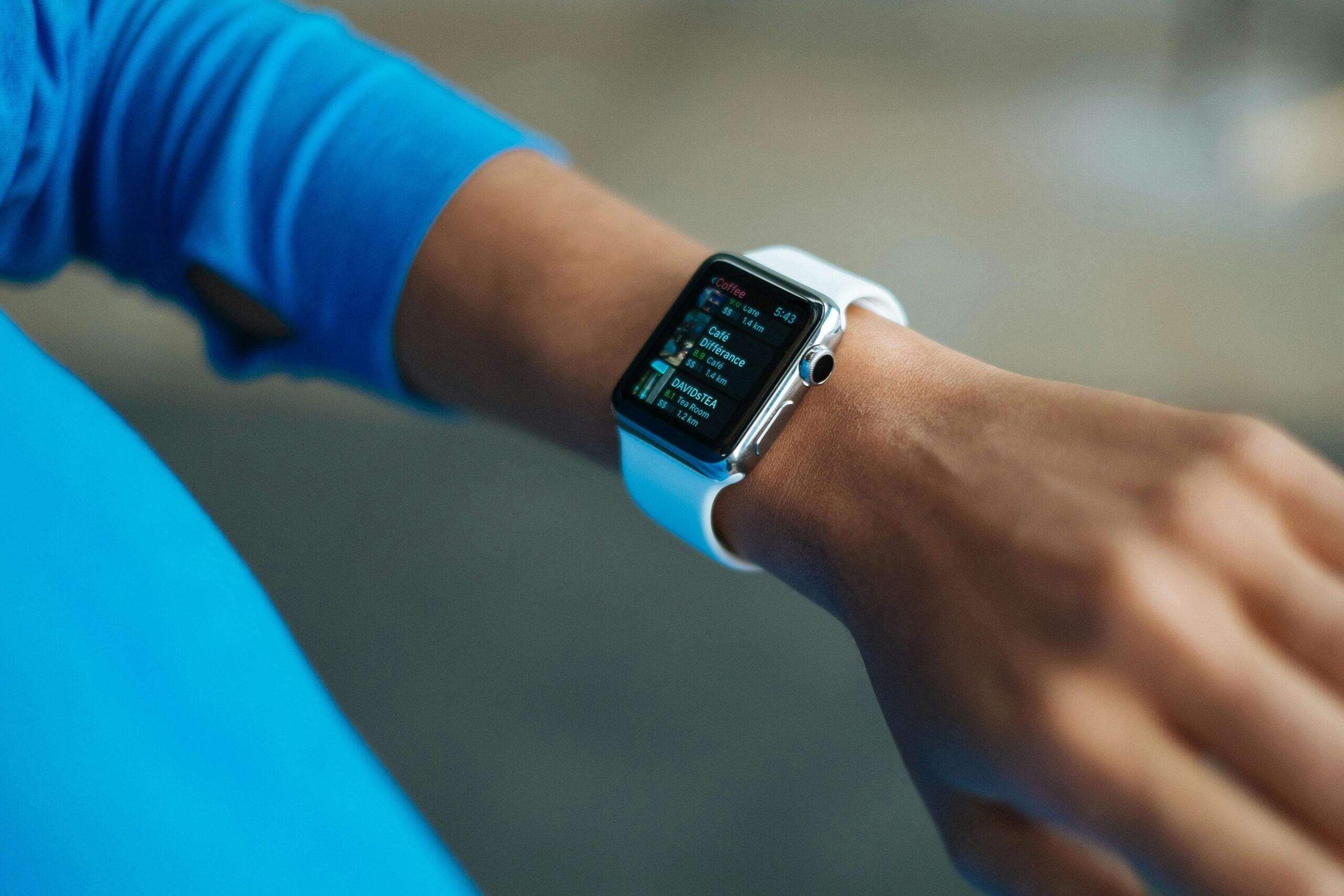
Walk into any clinic today and you’ll see it on patients’ wrists, in their pockets, and synced to their phones.
Wearable devices.
From heart rate and sleep tracking to glucose monitoring and ECG readings, patients are collecting more health data than ever before. Devices like Apple Watch, Fitbit, and Dexcom G7 are generating continuous, real-time insights into daily health metrics.
Patients are engaged. They’re informed. They’re tracking.
But there’s a problem.
Most physicians can’t meaningfully integrate that data into their EMRs.
The Wearable Data Explosion
Today’s patients can monitor:
- Heart rate variability
- Atrial fibrillation alerts
- Sleep cycles
- Blood oxygen levels
- Activity levels
- Continuous glucose readings
- Blood pressure
- Stress metrics
In many cases, this data is clinically relevant — especially for chronic disease management, cardiology, endocrinology, and preventive care.
Patients often show up to appointments saying:
“I’ve been tracking everything.”
But what happens next?
Usually, one of three things:
- The physician glances at the patient’s phone.
- The data gets verbally summarized.
- None of it enters the official medical record.
Valuable longitudinal health data ends up living outside the clinical workflow.
Why EMRs Can’t Easily Accept Wearable Data
Modern EMRs from vendors like Epic Systems and Oracle Health are powerful systems — but they weren’t originally designed to ingest massive streams of consumer-generated data.
Here’s where the friction happens:
1. Lack of Standardization
Each device manufacturer structures data differently. One device’s heart rate format may not match another’s.
2. No Scalable Ingestion Method
Most EMRs aren’t built to handle high-frequency streaming data from thousands of patients.
3. Data Overload Concerns
Clinicians worry about:
- Alert fatigue
- Liability exposure
- Reviewing excessive raw data
4. Security and Compliance Barriers
Transferring consumer app data into clinical systems raises privacy and regulatory concerns.
The result?
A massive disconnect between patient-generated data and provider-accessible data.
Why This Gap Matters
When wearable data stays outside the EMR:
- Clinicians lack longitudinal insights
- Opportunities for early intervention are missed
- Chronic conditions may worsen before detection
- Preventive care becomes reactive instead of proactive
- Patient engagement efforts lose momentum
Patients are doing their part. The system isn’t keeping up.
If healthcare is serious about value-based care, remote monitoring, and prevention, wearable data must become part of the clinical ecosystem.
This Is Where FHIR Comes In
FHIR (Fast Healthcare Interoperability Resources), developed by Health Level Seven International, was designed specifically to solve data exchange problems like this.
FHIR provides:
- A standardized data format
- Secure API-based data exchange
- Interoperability across systems
- Modular, scalable integration
Instead of every device manufacturer building custom integrations for every EMR, FHIR creates a shared language.
How FHIR Fixes the Wearable Data Problem
1. Standardized Data Structures
FHIR defines resources for:
- Observations (heart rate, glucose, blood pressure)
- Patient records
- Device metadata
- Encounter documentation
This means wearable data can be normalized into consistent formats before entering the EMR.
No more custom mapping for every device.
2. Secure API-Based Integration
FHIR uses modern web APIs — similar to how banking apps securely connect to financial institutions.
Wearable platforms can:
- Push data through FHIR APIs
- Authenticate securely
- Control data scope and permissions
This reduces IT burden while maintaining compliance.
3. Smarter Data Filtering
FHIR-enabled systems allow organizations to define:
- Which data types are accepted
- Threshold-based alerts
- Summary dashboards instead of raw streams
- Time-bound data ingestion
Instead of overwhelming clinicians with minute-by-minute data, systems can surface meaningful trends and exceptions.
4. Scalable Remote Patient Monitoring
FHIR integration makes remote patient monitoring programs sustainable.
For example:
- Diabetic patients’ glucose readings can populate structured EMR fields
- Cardiology patients’ arrhythmia alerts can trigger workflows
- Hypertension readings can auto-document in flowsheets
That enables:
- Earlier intervention
- Reduced hospitalizations
- Better chronic disease outcomes
- Improved reimbursement alignment
The Competitive Advantage
Healthcare is shifting toward:
- Preventive care
- Home-based care
- Digital engagement
- Continuous monitoring
Providers who cannot ingest wearable data risk falling behind.
Patients increasingly expect their care teams to incorporate the data they’re tracking. If one provider can seamlessly integrate wearable insights and another cannot, the choice becomes obvious.
FHIR isn’t just a technical upgrade — it’s a strategic enabler.
The Future: Connected, Continuous Care
Imagine a system where:
- A patient’s abnormal glucose trend automatically flags care management
- A detected arrhythmia triggers cardiology outreach
- Sleep data informs behavioral health interventions
- Activity metrics guide rehabilitation plans
That future is possible — but only if wearable data flows into the clinical record in a structured, usable way.
FHIR makes that flow achievable.
Final Thought
Your patients are already generating the data.
The question is whether your organization can use it.
Without interoperability standards like FHIR, wearable health information remains fragmented and underutilized. With FHIR-enabled integration, wearable data becomes actionable, scalable, and clinically meaningful.
If healthcare is moving toward continuous care instead of episodic visits, then integrating wearable data through FHIR isn’t optional.
It’s the bridge between patient engagement and clinical intelligence.