Direct Primary Care (DPC) has reshaped what modern primary care can look like.
By stepping away from traditional fee-for-service reimbursement and reducing reliance on insurers like UnitedHealthcare and Aetna, DPC providers have reclaimed time, autonomy, and the ability to deliver deeply personalized care.
Longer visits. Smaller panels. Transparent pricing. Real relationships.
It’s a model built around patients — not billing codes.
But here’s the reality:
Even if you’ve opted out of insurance, your patients haven’t opted out of the healthcare system.
They still see specialists.
They still visit urgent care.
They still get imaging.
They still land in emergency departments.
And that means you need interoperability more than ever.
The DPC Advantage: Relationship-Driven Care
Direct Primary Care thrives because it removes friction:
- No prior authorizations
- No coding gymnastics
- No payer-driven visit limits
- No rushed 7-minute encounters
DPC physicians can focus on prevention, lifestyle, chronic disease management, and proactive communication.
It’s healthcare the way many clinicians always wanted to practice.
But independence creates a new operational challenge: staying connected to the broader medical ecosystem.
The Hidden Risk of Going Independent
When patients step outside your practice — for imaging, labs, specialty consults, or hospital care — data can easily become fragmented.
Without strong interoperability:
- Discharge summaries may not arrive promptly
- Lab results may need manual uploading
- Specialist notes may be faxed (or lost)
- Medication changes may go undocumented
- You rely on the patient to relay clinical updates
That fragmentation works against the very personalization DPC is designed to provide.
If you want to be the true quarterback of your patient’s care, you need access to the full picture.
Why DPC Needs FHIR More Than Anyone
FHIR (Fast Healthcare Interoperability Resources), developed by Health Level Seven International, is a modern framework for securely exchanging healthcare data via APIs.
Unlike legacy data-sharing methods (fax, PDFs, static CCD files), FHIR enables structured, real-time interoperability between systems.
For Direct Primary Care practices, this is powerful.
Because while you’ve removed insurance from the equation, you still need seamless data exchange with:
- Hospitals
- Specialists
- Imaging centers
- Labs
- Pharmacies
- Health information exchanges
- Patient apps and wearable platforms
FHIR makes that connectivity scalable and secure.
How FHIR Strengthens the DPC Model
1. Stay Connected to Hospitals and Specialists
When your patient is admitted or sees a specialist, FHIR-enabled systems allow:
- Structured clinical summaries to flow into your EHR
- Medication updates to reconcile automatically
- Lab and imaging results to populate cleanly
- Problem lists to stay aligned
You remain the central hub of care — not an afterthought.
2. Integrate Labs and Imaging Seamlessly
Many DPC practices contract directly with labs and imaging centers for transparent pricing.
FHIR integration ensures:
- Orders transmit electronically
- Results return in structured formats
- Abnormal findings can trigger workflows
- Documentation remains complete and searchable
No manual uploads. No scanning PDFs.
3. Empower Digital-First Patient Experience
DPC patients expect convenience and accessibility.
FHIR supports:
- Secure app integrations
- Patient-controlled data sharing
- Remote monitoring programs
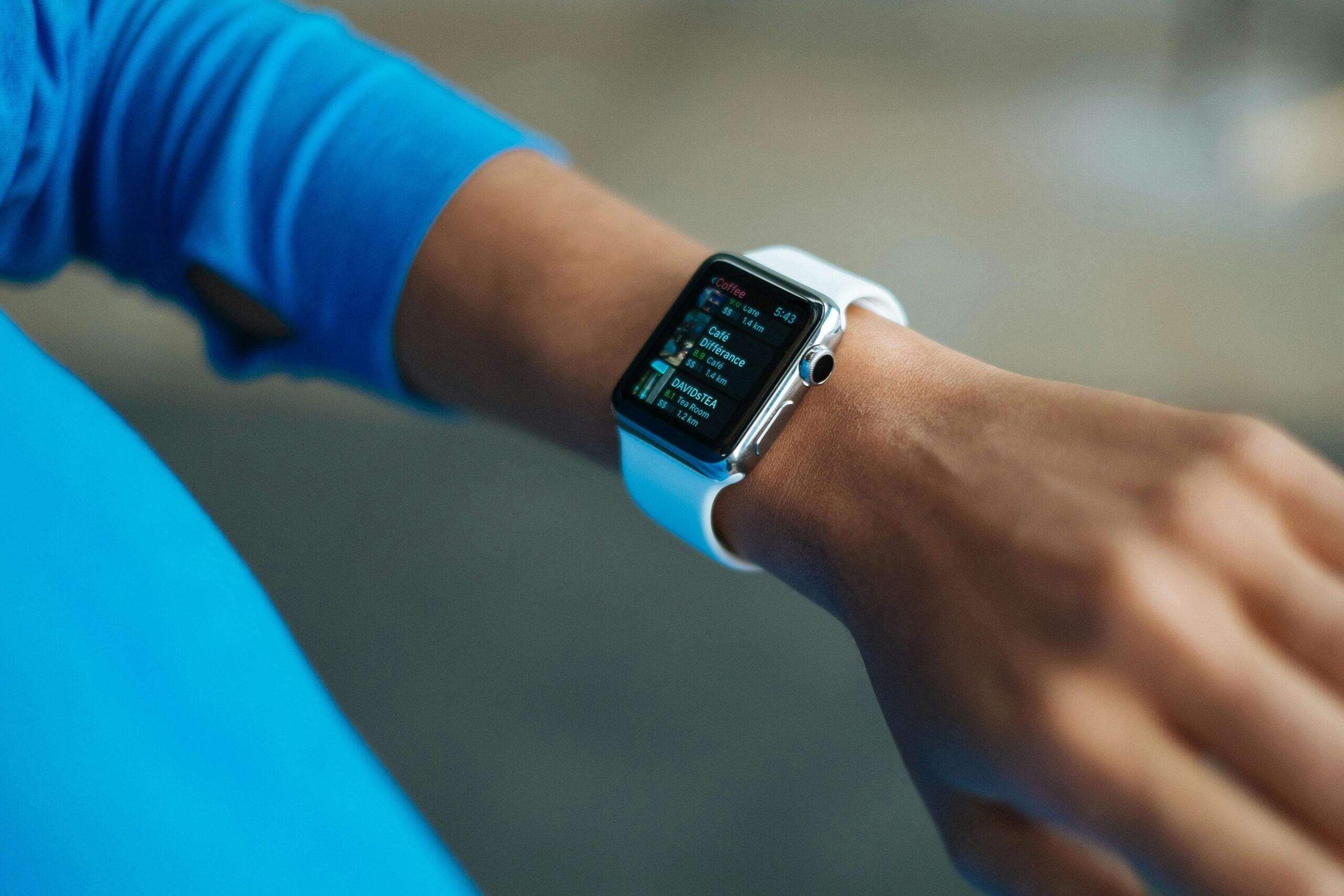
- Wearable device integration
- Real-time record portability
If your patient wants to share their health data with a specialist or bring records to an emergency department, FHIR makes it simple.
That reinforces the trust and transparency your model is built on.
4. Support Remote Monitoring and Proactive Care
DPC often emphasizes prevention and chronic care management.
FHIR allows structured ingestion of:
- Blood pressure readings
- Continuous glucose monitoring data
- Activity and heart rate metrics
- Home-based diagnostics
Instead of episodic care, you can deliver continuous insight-driven care.
That’s where DPC truly shines.
Independence Doesn’t Mean Isolation
One of the misconceptions about Direct Primary Care is that going independent means stepping outside the healthcare system entirely.
In reality, your patients still live within that system.
If anything, they rely on you more to coordinate and interpret what happens elsewhere.
FHIR allows you to:
- Remain independent financially
- Stay connected clinically
- Protect continuity of care
- Strengthen your role as advocate and coordinator
It ensures your practice doesn’t become a data island.
The Strategic Opportunity for DPC
Large health systems are investing heavily in interoperability. Major EHR vendors like Epic Systems and Oracle Health continue expanding their FHIR capabilities.
Patients increasingly expect their health data to move with them.
If DPC practices want to compete on experience, accessibility, and innovation, interoperability must be part of the infrastructure.
Because the promise of DPC isn’t just more time with patients.
It’s better outcomes through deeper relationships and smarter coordination.
And coordination requires connectivity.
Final Thought
Direct Primary Care removed insurance friction to create something better.
But better care still requires better data exchange.
FHIR isn’t about bringing insurance back into your practice. It’s about keeping your patients connected to the broader medical community while preserving the autonomy and personalization that make DPC powerful.
If you want to remain the trusted center of your patient’s healthcare universe, interoperability isn’t optional.
It’s essential.